
Stress Management & Mental Resilience
Reducing chronic stress to improve physiological function
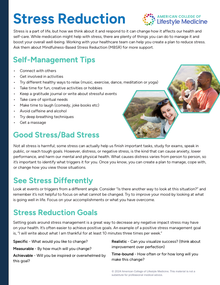
Chronic stress contributes to inflammation, poor nutrition habits, and impaired digestion. Evidence-based stress management practices—including mindfulness, breathing techniques, and behavioral strategies—support improved health outcomes and sustainable lifestyle change.
We are all familiar with the terms “stress eating” or “emotional eating.” During stressful times, our cortisol levels can increase, leading many individuals to find solace in overly processed, high-calorie foods. Prolonged stress maintains the body in a sympathetic “fight or flight” state, redirecting blood flow from the digestive system to larger muscles. This situation hampers digestion and nutrient absorption. It's vital to learn how to effectively manage stress and shift into a parasympathetic “rest and digest” mode before meals for optimal digestion and nutrient use. Moreover, healthy eating habits frequently falter during stressful periods, and employing consistent stress resilience techniques such as meditation, yoga, enjoying music, or engaging in mindful walks can be beneficial when stress levels rise.
While various stressors can influence our eating behaviors, food insecurity stands out as a significant issue. When a household lacks reliable access to sufficient food for everyone to maintain a healthy lifestyle, it becomes difficult to eat well, which can negatively impact sleep and physical activity. It’s essential for healthcare professionals to consider a person’s social determinants of health to ensure they are effectively alleviating stress and guiding patients to relevant support services.
Chronic stress contributes to inflammation, poor nutrition habits, and impaired digestion. Evidence-based stress management practices—including mindfulness, breathing techniques, and behavioral strategies—support improved health outcomes and sustainable lifestyle change.
We are all familiar with the terms “stress eating” or “emotional eating.” During stressful times, our cortisol levels can increase, leading many individuals to find solace in overly processed, high-calorie foods. Prolonged stress maintains the body in a sympathetic “fight or flight” state, redirecting blood flow from the digestive system to larger muscles. This situation hampers digestion and nutrient absorption. It's vital to learn how to effectively manage stress and shift into a parasympathetic “rest and digest” mode before meals for optimal digestion and nutrient use. Moreover, healthy eating habits frequently falter during stressful periods, and employing consistent stress resilience techniques such as meditation, yoga, enjoying music, or engaging in mindful walks can be beneficial when stress levels rise.
While various stressors can influence our eating behaviors, food insecurity stands out as a significant issue. When a household lacks reliable access to sufficient food for everyone to maintain a healthy lifestyle, it becomes difficult to eat well, which can negatively impact sleep and physical activity. It’s essential for healthcare professionals to consider a person’s social determinants of health to ensure they are effectively alleviating stress and guiding patients to relevant support services.